
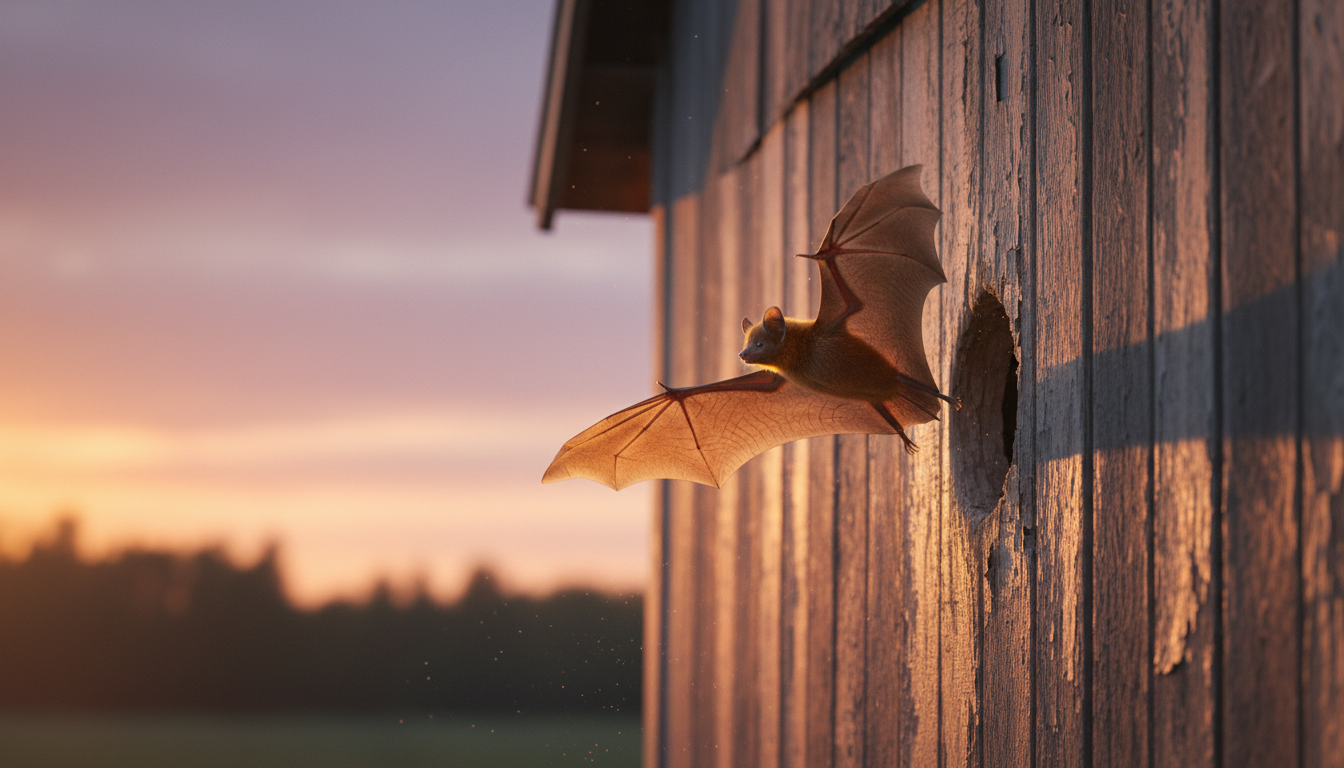
Bats are beneficial creatures that play a vital role in our ecosystem by consuming insects, but when they take up residence in your barn, they can create health hazards and unwanted messes. Here's our expert guide on how to safely and effectively keep bats out of your barn while respecting these protected animals.
Understanding the Problem
Barns provide ideal roosting spots for several reasons:
- Dark, sheltered spaces that mimic natural cave environments
- Warm temperatures during summer months
- Easy access through small openings and gaps
- Protection from predators
While bats themselves aren't aggressive, their droppings (guano) can accumulate and create health risks, and their presence can be unsettling for property owners.
Step-by-Step Exclusion Guide
Step 1: Identify Entry Points
Carefully inspect your barn for potential entry points. Look for:
- Gaps around windows and doors
- Holes in the roof or siding
- Open vents without screens
- Spaces around plumbing and electrical entries
- Eaves and attic ventilation openings
Bats can fit through openings as small as 3/8 inch, so pay attention to even tiny gaps.
Step 2: Timing is Critical
The best time to exclude bats is in the late summer or early fall, after nursing mothers have raised their pups and before bats enter hibernation. This typically means August through October in the Dallas area. Avoid exclusion during maternity season (typically May through August) when flightless pups may be present.
Step 3: One-Way Exclusure Devices
Instead of simply sealing openings, install one-way exclusion devices (bat houses) at entry points. These allow bats to exit but prevent them from returning. The process works as follows:
- Install the exclusion device over the entry point
- Bats can fly out but cannot re-enter
- Leave the device in place for at least a week
- After confirming all bats have left, permanently seal the opening
Step 4: Seal All Entry Points
Once you've confirmed all bats have exited, seal all potential entry points:
- Use caulk for small gaps and cracks
- Install mesh screens over vents
- Replace damaged or missing roof shingles
- Seal gaps around utility penetrations
- Install weather stripping around doors and windows
Step 5: Make Your Barn Less Attractive
Prevent future infestations by:
- Removing external lighting that attracts insects
- Eliminating water sources near the barn
- Keeping the area around the barn clean and trimmed
- Properly storing animal feed in sealed containers
"Remember: Bats are a protected species in many states. Always use humane exclusion methods and never attempt to harm or kill bats."
When to Call a Professional
While DIY exclusion can be effective, certain situations warrant professional help:
- Large bat colonies (more than 20-30 bats)
- Bats inside living spaces
- Uncertainty about proper exclusion timing
- Extensive guano accumulation requiring cleanup
- Evidence of rabies or other disease
Professional wildlife technicians have the experience, equipment, and knowledge to handle bat exclusion safely, legally, and effectively.
Need help with bat exclusion in your barn or home?
Call Us Today